

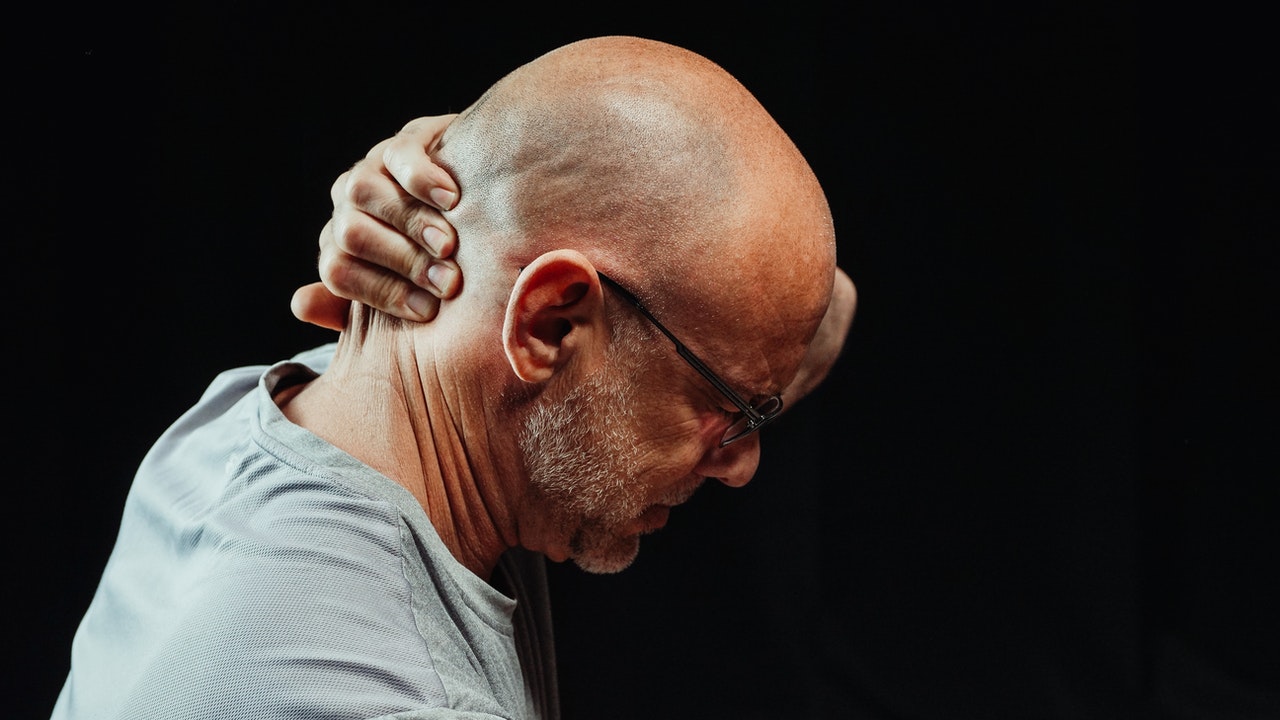
When an illness or injury prevents you from working, the financial impact can be just as overwhelming as the medical challenges. Without a paycheck, even a few weeks away from work can create significant stress for you and your family.
That’s where disability insurance comes in.
Short-term and long-term disability insurance are designed to replace a portion of your income when you’re unable to work because of a qualifying medical condition. While both provide valuable financial protection, they serve different purposes and begin paying benefits at different stages of your recovery.
Understanding the differences can help you prepare for the unexpected and better understand your options if you become unable to work.
What Is Disability Insurance?
Disability insurance provides income replacement when a medical condition prevents you from performing your job.
Unlike health insurance, which helps pay medical expenses, disability insurance is designed to replace a percentage of your lost wages while you recover.
Depending on your policy, benefits may come from:
- An employer-sponsored disability plan
- An individual disability insurance policy
- Government programs such as Social Security Disability Insurance (SSDI)
Each source has different eligibility requirements and benefit rules.
What Is Short-Term Disability Insurance?
Short-term disability insurance provides temporary income replacement for employees who cannot work because of an illness, injury, surgery, or pregnancy.
Benefits generally begin after a short waiting period and continue for a limited amount of time while you recover.
Common Features of Short-Term Disability
Most short-term disability policies include:
- Benefits lasting several weeks to six months
- Income replacement of approximately 50% to 70% of wages
- Short elimination periods before benefits begin
- Coverage for temporary medical conditions
Many employers offer short-term disability coverage as part of their employee benefits package.
What Is Long-Term Disability Insurance?
Long-term disability insurance is designed for medical conditions that prevent someone from working for an extended period.
Benefits typically begin only after short-term disability benefits end or after a longer waiting period.
Depending on the policy, benefits may continue for:
- Several years
- Until retirement age
- Until recovery
Long-term disability provides financial protection for people facing life-changing injuries or chronic illnesses.
Understanding Elimination Periods
One of the biggest differences between short-term and long-term disability insurance is the elimination period.
An elimination period is the amount of time you must wait before benefits begin.
Generally:
Short-Term Disability
- Waiting period of 0 to 14 days
- Benefits begin relatively quickly
Long-Term Disability
- Waiting period of approximately 90 to 180 days
- Designed for extended disabilities
Many people use short-term disability benefits to bridge the gap until long-term disability coverage begins.
Benefit Periods Explained
A benefit period refers to how long disability payments continue.
Short-Term Disability
Typically pays benefits for:
- 13 weeks
- 26 weeks
- Up to six months
Long-Term Disability
May provide benefits:
- For several years
- To age 65
- Until retirement, depending on the policy
The appropriate benefit period depends on the severity of the medical condition and the policy selected.
Own-Occupation vs. Any-Occupation Coverage
Long-term disability policies often define disability differently.
Own-Occupation Coverage
Benefits are available when you cannot perform the duties of your specific profession.
This type of coverage is especially valuable for physicians, attorneys, pilots, and other specialized professionals.
Any-Occupation Coverage
Benefits are available only if you cannot perform any job that matches your education, experience, or training.
Because the standard is more restrictive, qualifying for benefits may be more difficult.
| Short-Term Disability | Long-Term Disability |
|---|---|
| Temporary income replacement | Extended income replacement |
| Benefits begin quickly | Longer waiting period |
| Usually lasts weeks or months | May last years or until retirement |
| Often employer-provided | Employer or individually purchased |
| Covers temporary conditions | Covers serious long-term disabilities |
How Disability Insurance Differs From Workers’ Compensation
One of the most common misconceptions is that disability insurance and workers’ compensation are the same.
They are not.
Workers’ compensation generally covers injuries and illnesses that occur because of your job.
Disability insurance may provide income replacement for both work-related and non-work-related medical conditions, depending on the policy.
For example:
- A workplace back injury may qualify for workers’ compensation.
- Cancer treatment, multiple sclerosis, or complications from pregnancy may qualify for disability benefits but not workers’ compensation.
Understanding the distinction can help ensure you’re pursuing the correct type of claim.
Learn more about Missouri’s Workers’ Compensation System.
Social Security Disability Insurance (SSDI)
For individuals with long-term disabilities, Social Security Disability Insurance (SSDI) may also become available.
Many long-term disability policies coordinate benefits with SSDI, meaning receiving one type of benefit may affect another.
Because SSDI applications are often complex, understanding how private disability insurance interacts with federal benefits is important.
How to Apply for Disability Benefits
Whether you’re filing for short-term or long-term disability, documentation is critical.
Helpful records include:
- Physician reports
- Medical records
- Diagnostic imaging
- Treatment plans
- Employer documentation
- Work restrictions
Providing complete medical documentation can improve the likelihood of a successful claim.
Common Reasons Disability Claims Are Denied
Unfortunately, not every disability claim is approved.
Common reasons include:
- Insufficient medical evidence
- Missed deadlines
- Incomplete applications
- Disputes regarding the definition of disability
- Lack of supporting documentation
Understanding policy requirements before filing may help reduce delays and denials.
Frequently Asked Questions
Can I have both short-term and long-term disability insurance?
Yes. Many people have both, with short-term disability providing benefits until long-term disability coverage begins.
Does disability insurance cover workplace injuries?
It depends on the policy. Workplace injuries are often covered through workers’ compensation, while disability insurance may provide additional income protection.
How much income does disability insurance replace?
Most policies replace approximately 50% to 70% of your pre-disability earnings.
What is an elimination period?
An elimination period is the waiting period between becoming disabled and receiving benefits.
Can I receive SSDI and long-term disability benefits?
In many cases, yes. However, benefits may be coordinated depending on the terms of your policy.
The Pottenger Law Firm Is Here to Help
If you’ve suffered a serious injury or illness that prevents you from working, understanding your legal rights and available benefits is essential.
Whether you’re dealing with a workers’ compensation claim, questions about disability benefits, or another injury-related legal matter, The Pottenger Law Firm is here to provide experienced guidance every step of the way.
Learn more about our Workers’ Compensation Practice, explore our Practice Areas, or contact our office today for a free consultation.