Skip to content

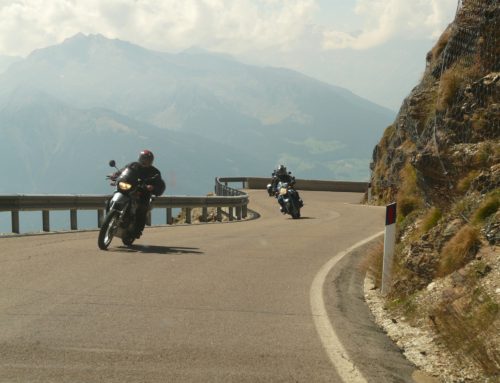
Few experiences match the freedom of riding a motorcycle. Whether you’re commuting to work, exploring North Carolina’s scenic roads, or heading out for a weekend ride, every trip comes with risks that riders do not face inside a passenger vehicle.
While no piece of equipment can prevent every injury, wearing the right motorcycle safety gear can significantly reduce the severity of injuries during a crash. From helmet safety to armored jackets, gloves, boots, and visibility gear, each piece of equipment serves an important purpose.
Understanding what gear to wear and why it matters can help riders make informed decisions every time they get on a motorcycle.
Why Motorcycle Safety Gear Matters
Motorcycles provide little physical protection during a collision. Unlike drivers and passengers inside vehicles, riders are exposed to direct impacts, road surfaces, weather conditions, and other hazards.
Motorcycle safety gear is designed to:
- Reduce head injuries
- Protect skin from road rash
- Absorb impact forces
- Improve visibility
- Support joints and limbs
- Increase rider comfort and control
Even experienced riders cannot control the actions of other drivers. Proper protective equipment provides an additional layer of defense when accidents occur.
Helmet Safety: Your Most Important Piece of Gear
When it comes to rider protection, nothing is more important than a motorcycle helmet.
According to traffic safety studies, helmets significantly reduce the risk of serious head injuries and fatalities in motorcycle accidents. Because traumatic brain injuries can have lifelong consequences, choosing the right helmet should be every rider’s top priority.
Understanding DOT, ECE 22.06, and Snell Certifications
Helmet certifications indicate that a helmet has passed specific safety tests.
Common certifications include:
- DOT (Department of Transportation)
- ECE 22.06
- Snell Memorial Foundation Certification
DOT certification is the minimum legal standard for motorcycle helmets in the United States. ECE 22.06 includes additional testing procedures designed to evaluate modern crash scenarios. Snell certification is often associated with higher-performance and racing applications.
When purchasing a helmet, riders should look for certification labels and avoid novelty helmets that do not meet recognized safety standards.
Full-Face vs. Modular vs. Open-Face Helmets
Each helmet style offers different levels of protection.
Full-Face Helmets
Full-face helmets provide the highest level of protection by covering the entire head and chin.
Best for:
- Highway riding
- Touring
- Sport riding
- Maximum protection
Modular Helmets
Modular helmets feature a flip-up chin bar that combines convenience with protection.
Best for:
- Touring
- Commuting
- Riders who frequently stop and communicate
Open-Face Helmets
Open-face helmets leave the face exposed.
Best for:
- Low-speed riding
- Cruiser riders
While open-face helmets offer improved airflow, they provide less protection than full-face designs.
Proper Helmet Fit Matters
A helmet should fit snugly without causing pain or pressure points.
A loose helmet may shift during an accident, reducing its ability to protect the rider. Riders should always try on helmets and follow manufacturer sizing recommendations before purchasing.
Motorcycle Jackets: More Than Just Style
A quality motorcycle jacket does much more than make a rider look good.
Motorcycle jackets provide:
- Abrasion resistance
- Impact protection
- Weather protection
- Increased visibility
Leather vs. Textile Jackets
Leather jackets remain popular because of their excellent abrasion resistance and durability.
Textile jackets often provide:
- Better ventilation
- Waterproof options
- Lighter weight
- Greater versatility
Both options can provide excellent protection when paired with appropriate armor.
Understanding CE Armor and D3O Protection
Many motorcycle jackets include CE-rated armor in key impact zones.
These areas typically include:
- Shoulders
- Elbows
- Back
D3O armor has become increasingly popular because it remains flexible during normal use but stiffens upon impact to absorb energy.
For riders seeking maximum protection, CE Level 2 armor generally provides greater impact protection than CE Level 1 armor.
Weather Resistance and Visibility
Look for jackets that include:
- Waterproof membranes
- Removable liners
- Ventilation panels
- Reflective materials
- High-visibility colors
Comfort encourages riders to wear their gear consistently, making weather protection an important safety feature.
Motorcycle Gloves Protect More Than Your Hands
Hands are often among the first body parts to contact the ground during a motorcycle crash.
Motorcycle gloves help protect against:
- Abrasions
- Fractures
- Cuts
- Impact injuries
Features to Look For in Riding Gloves
Quality gloves should include:
- Knuckle protection
- Palm reinforcement
- Secure wrist closures
- Durable materials
- Comfortable fit
Leather remains a popular choice because of its durability and abrasion resistance.
Riders should choose gloves that provide adequate protection while maintaining enough flexibility to operate the controls safely.
Motorcycle Boots and Ankle Protection
Many riders underestimate the importance of proper footwear.
Regular sneakers or work boots often fail to provide the protection necessary during a motorcycle accident.
Why Motorcycle Riding Boots Matter
Motorcycle riding boots are designed to protect:
- Feet
- Ankles
- Lower legs
They also improve stability and control while riding.
Key Features to Look For
Quality riding boots should include:
- Ankle support
- Reinforced toe boxes
- Reinforced heels
- Oil-resistant soles
- Shifter protection
These features help reduce the risk of fractures, sprains, and crushing injuries during a collision.
The Importance of Armored Riding Pants
Many riders invest in helmets and jackets but overlook lower-body protection.
Motorcycle riding pants help protect:
- Knees
- Hips
- Thighs
- Lower legs
Choosing Protective Materials
Popular materials include:
- Leather
- Kevlar-reinforced denim
- Textile riding fabrics
These materials provide significantly greater abrasion resistance than ordinary jeans.
Understanding Armor Options
Many riding pants include:
- Knee armor
- Hip armor
- CE-rated impact protection
As with jackets, CE Level 2 armor typically provides greater protection than Level 1 armor.
Proper Fit Is Critical
Armor only works when it remains in the proper position during a crash.
Riding pants should fit comfortably while ensuring protective pads remain aligned with the knees and hips.
Additional Motorcycle Safety Equipment
Many riders choose supplemental safety equipment to enhance protection.
Airbag Vests
Motorcycle airbag systems can deploy during certain crash situations to provide additional protection for:
- Neck
- Spine
- Chest
- Torso
These systems have become increasingly popular among touring and sport riders.
Back Protectors
Dedicated back protectors help absorb impact forces and may reduce the severity of spinal injuries.
Chest Protection
Chest protectors provide additional protection against blunt-force impacts.
High-Visibility Gear
Visibility remains one of the most important aspects of motorcycle safety.
High-visibility gear may include:
- Bright colors
- Reflective panels
- Reflective striping
- LED lighting accessories
The easier riders are to see, the more time other motorists have to react.
Common Motorcycle Injuries and How Safety Gear Helps
Motorcycle accidents can result in severe injuries even when riders take precautions.
Common injuries include:
- Head injuries
- Road rash
- Broken bones
- Hand injuries
- Leg injuries
- Soft tissue injuries
Proper motorcycle safety gear may help reduce the severity of these injuries by providing impact protection, abrasion resistance, and structural support.
While gear cannot eliminate risk, it can make a significant difference in the outcome of an accident.
Frequently Asked Questions
Is a DOT helmet enough protection?
A DOT-certified helmet meets the minimum legal safety requirements in the United States. Many riders also consider ECE 22.06 or Snell-certified helmets for additional testing standards.
What is ECE 22.06 certification?
ECE 22.06 is a motorcycle helmet safety standard that includes updated testing procedures designed to reflect modern crash conditions.
Are motorcycle airbag vests worth it?
Many riders find airbag systems beneficial because they provide additional protection for the chest, neck, and spine during certain types of accidents.
Do motorcycle boots really make a difference?
Yes. Motorcycle boots offer ankle support, impact protection, and abrasion resistance that regular footwear cannot provide.
How often should a motorcycle helmet be replaced?
Manufacturers generally recommend replacing helmets every five years or immediately after a significant impact.
Is expensive motorcycle gear always safer?
Not necessarily. Riders should focus on certifications, construction quality, armor ratings, and proper fit rather than price alone.
The Pottenger Law Firm Is Here for Injured Riders
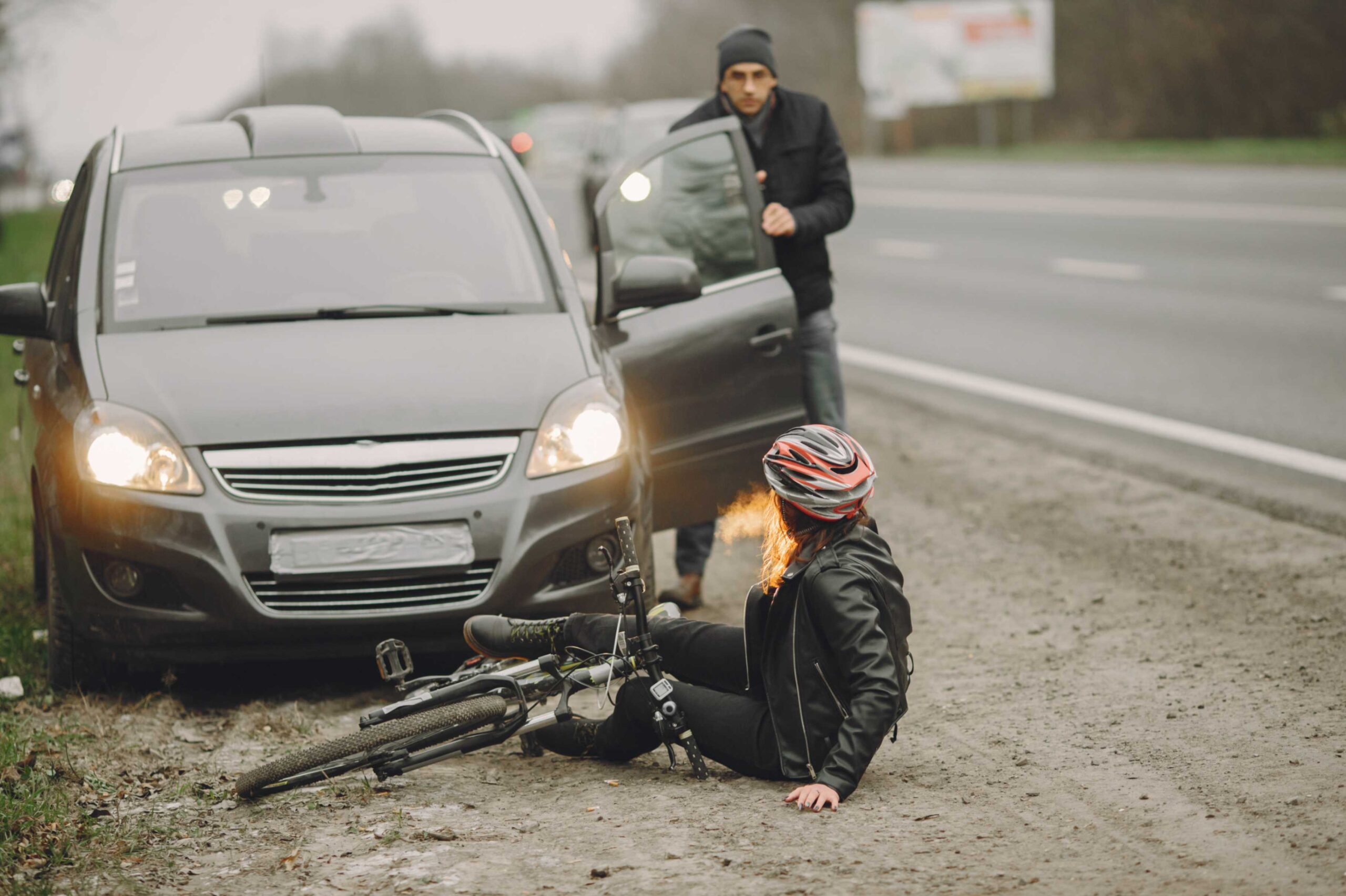
Motorcycle riders face unique risks on the road. Even when wearing the best protective equipment available, serious accidents can still occur because of distracted, reckless, or negligent drivers.
If you have been injured in a motorcycle accident caused by someone else’s negligence, The Pottenger Law Firm can help you understand your rights and pursue compensation for medical expenses, lost wages, pain and suffering, and other damages.