Skip to content

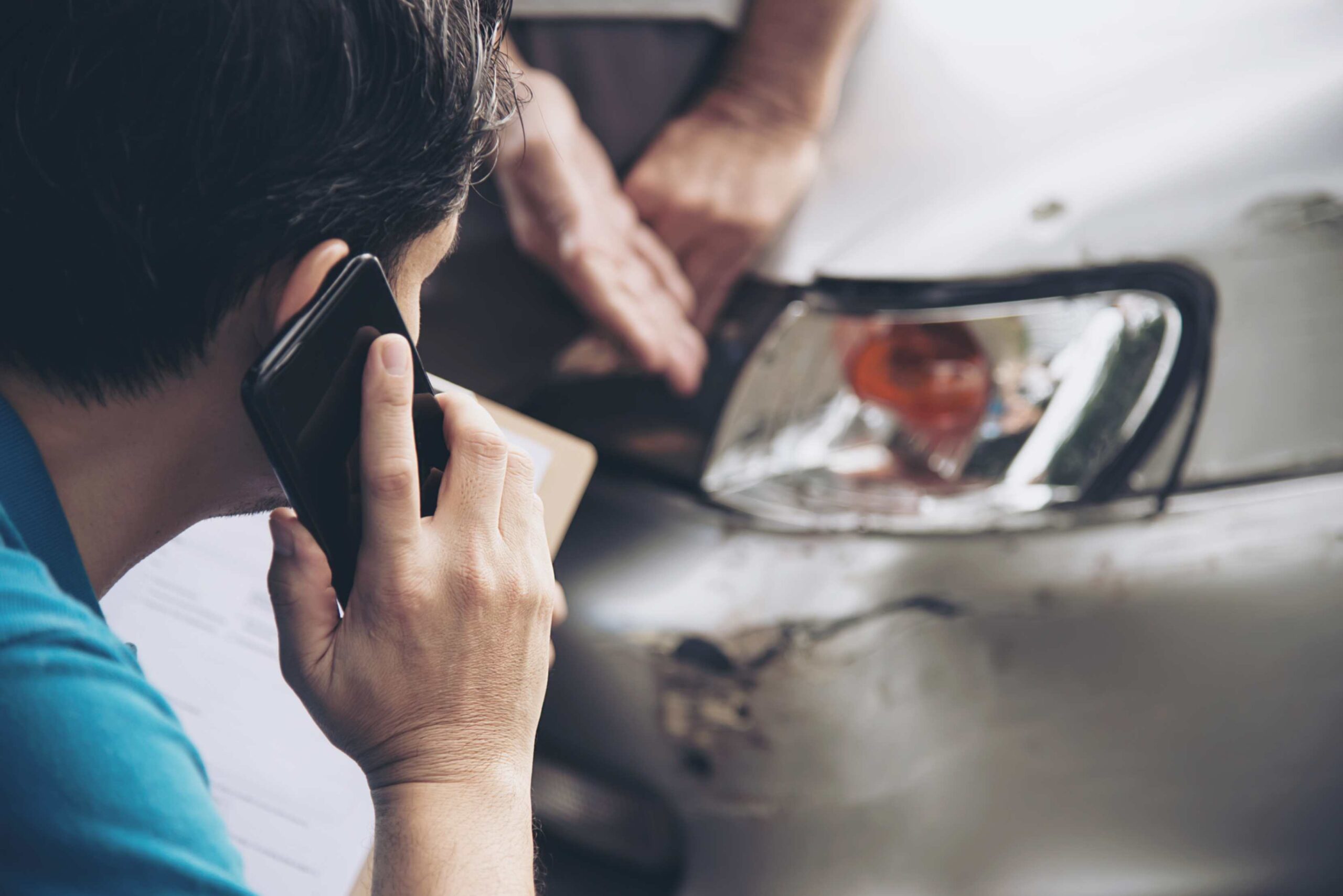
A car accident can change your life in a matter of seconds. While most people immediately think about physical injuries, many car accident victims experience something less visible but equally disruptive: emotional and psychological trauma.
The days and weeks following a car crash can bring a wave of emotions. Fear, anxiety, anger, confusion, and sadness are common responses. Some people find themselves replaying the accident in their minds. Others become nervous about driving, struggle to sleep, or feel disconnected from family and friends.
These reactions are not signs of weakness. They are often normal responses to a traumatic event. Understanding the emotional effects of an accident can help you recognize when you need support and take meaningful steps toward recovery.
Many accident victims are left dealing with physical injuries, emotional trauma, and uncertainty about what comes next. If you’ve been injured in a collision, learning about your legal rights after a car accident can be an important part of the recovery process.
The Hidden Injuries After a Car Accident
When people think about accident injuries, they often focus on broken bones, whiplash, or other physical harm. However, emotional injuries can be just as serious.
A traumatic event like a car crash can leave lasting psychological effects that interfere with daily life, work, relationships, and overall well-being. In some cases, the emotional impact lasts long after physical injuries have healed.
According to mental health experts and guidance from organizations such as the American Psychiatric Association, experiencing emotional distress after a traumatic event is common. The mind and body are closely connected, and trauma can affect both.
Many car accident victims experience symptoms that include:
- Persistent anxiety
- Difficulty sleeping
- Mood swings
- Irritability
- Difficulty concentrating
- Feelings of fear or helplessness
- Avoidance of driving or riding in vehicles
- Intrusive memories of the accident
Recognizing these symptoms early can help prevent more serious mental health challenges from developing.
Understanding Mental Trauma After a Car Crash
Mental trauma occurs when an individual experiences an event that overwhelms their ability to cope. A serious car accident often falls into this category.
During a crash, the brain shifts into survival mode. Stress hormones surge, heart rate increases, and the body prepares to respond to danger. While this response is designed to protect us, some people continue experiencing heightened stress long after the threat has passed.
Mental trauma may cause a person to:
- Relive the accident repeatedly
- Feel constantly on edge
- Avoid reminders of the crash
- Experience emotional numbness
- Struggle with feelings of guilt or self-blame
For some individuals, these reactions improve gradually. For others, symptoms become more severe and require professional treatment.
Common Mental Health Challenges After an Accident
Anxiety Following a Car Accident
Anxiety is one of the most common emotional responses after a car crash.
Many accident victims develop concerns about their safety, especially when driving or riding in a vehicle. Even routine activities can trigger fear and nervousness.
Common symptoms of anxiety include:
- Racing thoughts
- Increased heart rate
- Excessive worry
- Restlessness
- Panic attacks
- Difficulty sleeping
Some individuals avoid driving altogether, while others only feel anxious in specific situations such as heavy traffic, intersections, or highways.
Depression After an Injury
Physical injuries can dramatically disrupt a person’s daily life. Missed work, financial stress, chronic pain, and reduced independence can contribute to depression.
Symptoms may include:
- Persistent sadness
- Loss of interest in activities
- Fatigue
- Changes in appetite
- Social withdrawal
- Feelings of hopelessness
Depression often develops gradually, making it difficult to recognize without support from loved ones or a mental health professional.
Post-Traumatic Stress Disorder (PTSD)
One of the most serious psychological conditions associated with car accidents is Post-Traumatic Stress Disorder, commonly known as PTSD.
PTSD can develop after a traumatic event when the brain continues responding as though the danger remains present.
Symptoms may include:
- Flashbacks
- Nightmares
- Intrusive memories
- Hypervigilance
- Emotional distress triggered by reminders of the accident
- Avoidance of driving or discussing the event
Not everyone who experiences trauma develops PTSD. However, when symptoms persist for more than a month and interfere with daily life, professional evaluation is often recommended.
How Physical Injuries Affect Mental Health
Physical and emotional recovery are deeply connected.
A person dealing with chronic pain after a car accident may struggle with sleep, mobility, and daily responsibilities. Over time, these challenges can contribute to anxiety, depression, and emotional exhaustion.
Likewise, untreated mental trauma can make physical recovery more difficult. Stress and anxiety can increase muscle tension, worsen sleep quality, and reduce motivation to participate in rehabilitation programs.
Recovery often involves more than emergency treatment. Physical rehabilitation, follow-up care, and emotional healing all play important roles in helping accident victims regain their quality of life.
This is why many healthcare providers encourage a comprehensive recovery plan that addresses both physical injuries and mental health concerns.
Why Documentation Matters After a Car Crash
Whether you’re seeking treatment for physical injuries or working with a mental health professional to address emotional trauma, documentation is important.
Medical records, therapy notes, treatment plans, and follow-up appointments help create a clear picture of how the accident has affected your life. These records can support both your recovery and any legal claim arising from the accident.
Additional recovery information can be found in The Pottenger Law Firm’s Resource Center and Infographics Library.
Warning Signs That You May Need Professional Help
Experiencing emotional distress after an accident is common. However, certain symptoms may indicate the need for additional support.
Consider speaking with a mental health professional if you experience:
- Symptoms that last longer than a few weeks
- Persistent nightmares or flashbacks
- Severe anxiety
- Ongoing depression
- Panic attacks
- Inability to return to normal activities
- Difficulty maintaining relationships
- Thoughts of self-harm or suicide
Seeking help is not a sign of weakness. It is often one of the most important steps in the recovery process.
Practical Strategies for Emotional Recovery
Prioritize Sleep
Sleep plays a critical role in emotional healing. Establishing a consistent sleep schedule and reducing screen time before bed may improve sleep quality.
Stay Connected
Isolation often worsens symptoms of anxiety and depression. Spending time with supportive friends and family members can provide encouragement and emotional stability.
Practice Mindfulness
Mindfulness techniques can help calm the nervous system and reduce stress.
Simple practices include:
- Deep breathing exercises
- Guided meditation
- Body scans
- Grounding techniques that focus attention on the present moment
Many people find that even a few minutes of mindfulness each day can reduce anxiety and improve emotional resilience.
Return to Activities Gradually
Avoiding situations associated with the accident may provide temporary relief, but prolonged avoidance can reinforce fear.
Returning to normal activities in small, manageable steps often helps rebuild confidence over time.
For example, someone afraid to drive after a car crash might begin by sitting in a parked vehicle, then progress to short drives in familiar areas before returning to more challenging routes.
Understanding the steps to take after a collision can also help restore confidence and reduce uncertainty. Additional educational videos are available in our Video Center.
The Importance of a Strong Support System
Recovery rarely happens alone.
Family members, friends, healthcare providers, counselors, and support groups all play valuable roles in the healing process.
Loved ones can help by:
- Listening without judgment
- Encouraging healthy routines
- Supporting medical treatment plans
- Recognizing warning signs of emotional distress
A strong support network can make a meaningful difference in both emotional and physical recovery.
Frequently Asked Questions
Can a car accident cause PTSD?
Yes. A serious car accident can be a traumatic event that leads to Post-Traumatic Stress Disorder (PTSD). Symptoms may include flashbacks, nightmares, anxiety, avoidance behaviors, and hypervigilance.
How long does emotional trauma last after a car crash?
Recovery varies from person to person. Some accident victims improve within weeks, while others experience symptoms for months or longer. Persistent symptoms should be evaluated by a mental health professional.
Should I see a mental health professional after an accident?
If anxiety, depression, sleep problems, intrusive memories, or other symptoms interfere with daily life, seeking help from a mental health professional can be an important step toward recovery.
Can emotional distress be part of a personal injury claim?
In some situations, emotional distress and psychological injuries may be considered when evaluating damages in a personal injury claim. An experienced attorney can explain how these factors may apply to your case.
What are common symptoms of mental trauma after a car accident?
Common symptoms include anxiety, depression, nightmares, flashbacks, difficulty sleeping, irritability, fear of driving, emotional numbness, and trouble concentrating.
Moving Forward After a Car Accident
The impact of a car accident extends far beyond visible injuries. Many car accident victims face emotional challenges that can affect every aspect of life, from work and relationships to sleep and overall well-being.
Understanding the connection between mental trauma and physical injuries is an important part of recovery. Whether you are experiencing anxiety, depression, PTSD symptoms, or simply feeling overwhelmed, support is available.
Healing takes time, and every recovery journey looks different. By recognizing symptoms, seeking help when needed, and prioritizing both physical and mental health, accident victims can take meaningful steps toward regaining confidence, stability, and peace of mind.
The Pottenger Law Firm Is Here to Help
A serious car accident can leave you dealing with far more than medical bills and vehicle repairs. The physical, emotional, and financial consequences often affect every part of your life.
At The Pottenger Law Firm, we understand that a serious crash can affect every aspect of your life. Our team helps accident victims pursue compensation for medical treatment, lost wages, pain and suffering, and the long-term effects of their injuries.